Rhode Island Backpacking: Multi-Day Trails and Wilderness Camping
Discover Rhode Island's best backpacking trails for multi-day adventures, including the North South Trail and backcountry camping opportunities.
By RI Sportsman Staff • February 6, 2026
Backpacking in Rhode Island offers surprising opportunities for multi-day wilderness experiences despite the state's small size. The North South Trail and other long-distance routes provide challenging terrain, diverse ecosystems, and primitive camping experiences that rival larger states. Understanding trail systems, planning logistics, and preparing properly allows backpackers to enjoy Rhode Island's backcountry.
The North South Trail
The North South Trail spans 77 miles from the Massachusetts border to the Connecticut border, traversing Rhode Island's most wild and scenic terrain. This continuous footpath connects multiple management areas and provides the state's premier backpacking experience. The trail passes through George Washington Management Area, Arcadia Management Area, and other protected lands, offering varied terrain from rocky ridges to wetland crossings.
The northern section through George Washington Management Area features rolling terrain with mature hardwood forest and numerous stream crossings. This section includes the Walkabout Trail loop, which can be combined with the North South Trail for extended trips. Water sources are generally reliable, though filtering is essential. Campsites are primitive and must follow Leave No Trace principles.
The central section through Arcadia Management Area provides the most remote and challenging terrain. The trail climbs over rocky ridges, descends into valleys, and crosses streams and wetlands. This section sees less use than areas closer to trailheads, offering solitude for backpackers willing to venture deeper. The Arcadia section includes several lean-tos and designated camping areas.
The southern section approaches the Connecticut border through mixed forest and crosses several roads, making it more accessible for shorter trips or resupply. This section features gentler terrain than the central portion but still provides quality backpacking experiences. Water sources become more limited in this section, requiring careful planning.
Planning Your Trip
Backpacking the entire North South Trail typically requires 5-7 days depending on pace and fitness level. Most backpackers cover 10-15 miles per day, though terrain and conditions affect daily mileage. The trail can be hiked in either direction, with most choosing north-to-south to follow the white blazes. Spring and fall provide the best conditions, with moderate temperatures and fewer bugs than summer.
Section hiking allows you to complete the trail over multiple trips, tackling manageable segments that fit your schedule. Popular sections include the George Washington Management Area portion (northern), the Arcadia Management Area section (central), and various southern segments. Each section offers unique character and challenges.
Water sources along the trail include streams, ponds, and occasional springs. Carry a water filter or purification system and plan your daily mileage around reliable water sources. During dry periods, some streams may run low or dry, requiring longer carries between water sources. Never drink untreated water, as even remote sources can contain harmful organisms.
Resupply options are limited along the trail, though several road crossings provide access to nearby towns. Most backpackers carry all food for their trip or arrange caches at road crossings. Careful meal planning keeps pack weight manageable while ensuring adequate nutrition for the physical demands of backpacking.
Essential Backpacking Gear
Your backpack must carry everything needed for multi-day self-sufficiency while remaining light enough to cover daily miles comfortably. A pack in the 50-65 liter range works well for 3-5 day trips, while longer trips may require 65-75 liters. Ensure your pack fits properly and distributes weight to your hips rather than shoulders.
Shelter options include lightweight backpacking tents, tarps, or hammocks. A tent provides the most protection from weather and insects, while tarps and hammocks save weight. Choose based on your comfort level, expected conditions, and personal preference. Ensure your shelter is fully waterproof and can withstand wind.
Sleeping systems must balance warmth, weight, and packability. A 20-30 degree sleeping bag handles most three-season conditions in Rhode Island. Down bags offer the best warmth-to-weight ratio but lose insulation when wet, while synthetic bags maintain warmth when damp. Pair your bag with a sleeping pad rated for the expected temperatures.
Cooking systems for backpacking prioritize light weight and fuel efficiency. A lightweight backpacking stove with fuel canister weighs just ounces and boils water quickly. Alternatively, alcohol stoves are ultralight and use readily available fuel. Bring a small pot for boiling water and simple meals. Many backpackers rely on dehydrated meals that require only boiling water.
Navigation and Safety
The North South Trail is generally well-marked with white blazes, but carrying a map and compass (or GPS) ensures you stay on route. The trail crosses numerous roads and intersects other trails, creating potential for wrong turns. Download trail maps to your phone or GPS device as backup. Cell phone coverage is spotty in remote sections.
Weather in Rhode Island can change quickly, particularly during spring and fall. Carry rain gear and extra insulation even if forecasts look favorable. Hypothermia is possible even in moderate temperatures if you become wet and cold. Monitor weather forecasts before your trip and be prepared to adjust plans if severe weather threatens.
Wildlife encounters are generally benign in Rhode Island, though black bears occasionally appear in remote areas. Hang food properly or use bear-resistant containers in areas where bears are present. More common concerns include ticks (carry tweezers and check yourself daily) and poison ivy (learn to identify and avoid it).
Emergency preparedness includes carrying a first aid kit, knowing basic wilderness first aid, and having a communication plan. Tell someone your itinerary and expected return time. Carry a whistle for signaling in emergencies. Know your location and the nearest road crossing in case you need to exit the trail early.
Leave No Trace Principles
Backpacking in Rhode Island's limited wilderness requires strict adherence to Leave No Trace principles. Camp at designated sites when available, or choose durable surfaces like established campsites, rock, or gravel. Avoid camping on vegetation or creating new campsites. Keep campsites small and located at least 200 feet from water sources.
Dispose of waste properly by packing out all trash, including toilet paper. Bury human waste in catholes 6-8 inches deep at least 200 feet from water, trails, and campsites. Pack out used toilet paper in a sealed bag. Never bury or burn trash, as it doesn't decompose and attracts wildlife.
Minimize campfire impacts by using a lightweight stove for cooking rather than building fires. If fires are permitted and you choose to have one, use established fire rings, keep fires small, burn only dead and down wood, and ensure fires are completely extinguished. Many backpackers forgo fires entirely to reduce impact.
Respect wildlife by observing from a distance and never feeding animals. Store food properly to avoid attracting wildlife to campsites. Keep noise levels low to avoid disturbing other backpackers and wildlife. The solitude and quiet of backcountry camping are part of the experience.
Seasonal Considerations
Spring backpacking from April through May offers moderate temperatures and flowing water sources. However, mud can be significant during spring, and bugs begin appearing by late May. Black flies and mosquitoes are most abundant in late May and June. Spring wildflowers add beauty to the forest, and bird migration provides excellent wildlife watching.
Summer backpacking from June through August means warm temperatures, abundant water, and peak bug season. Start hiking early to avoid afternoon heat, and plan for afternoon thunderstorms. Bugs are worst in June and early July, improving by August. Summer provides the longest days, allowing more hiking hours and later camp setup.
Fall backpacking from September through November offers the best conditions for most backpackers. Temperatures are moderate, bugs are minimal, and fall foliage creates spectacular scenery. Water sources may be lower than spring, requiring attention to planning. Fall weather can be variable, with occasional cold snaps requiring appropriate gear.
Winter backpacking is possible for experienced winter campers but requires specialized gear and skills. Snow and ice make travel more difficult, and shorter days limit hiking hours. Water sources may be frozen, requiring melting snow. Winter camping provides unique beauty and solitude but demands respect for the additional challenges and dangers.
Conclusion
Backpacking in Rhode Island provides accessible wilderness experiences without requiring long-distance travel. The North South Trail and other routes offer challenging terrain, diverse ecosystems, and opportunities for solitude and self-reliance. By planning carefully, preparing properly, and practicing Leave No Trace principles, backpackers can enjoy multi-day adventures in Rhode Island's backcountry while preserving these resources for future generations.
Related Articles
Explore the best camping destinations in Rhode Island, from coastal campgrounds to forested retreats, with tips for planning your perfect outdoor getaway.
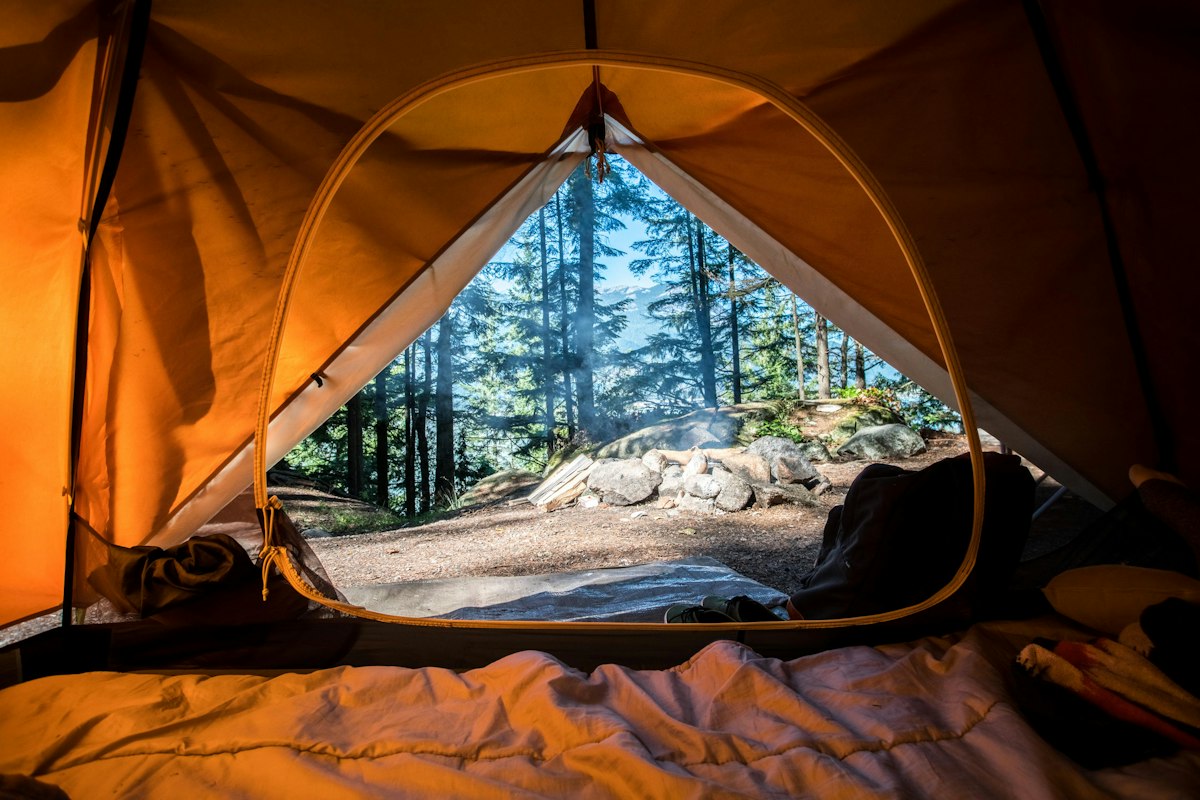
Plan the perfect family camping trip in Rhode Island with this guide to kid-friendly campgrounds, activities, and tips for camping with children.
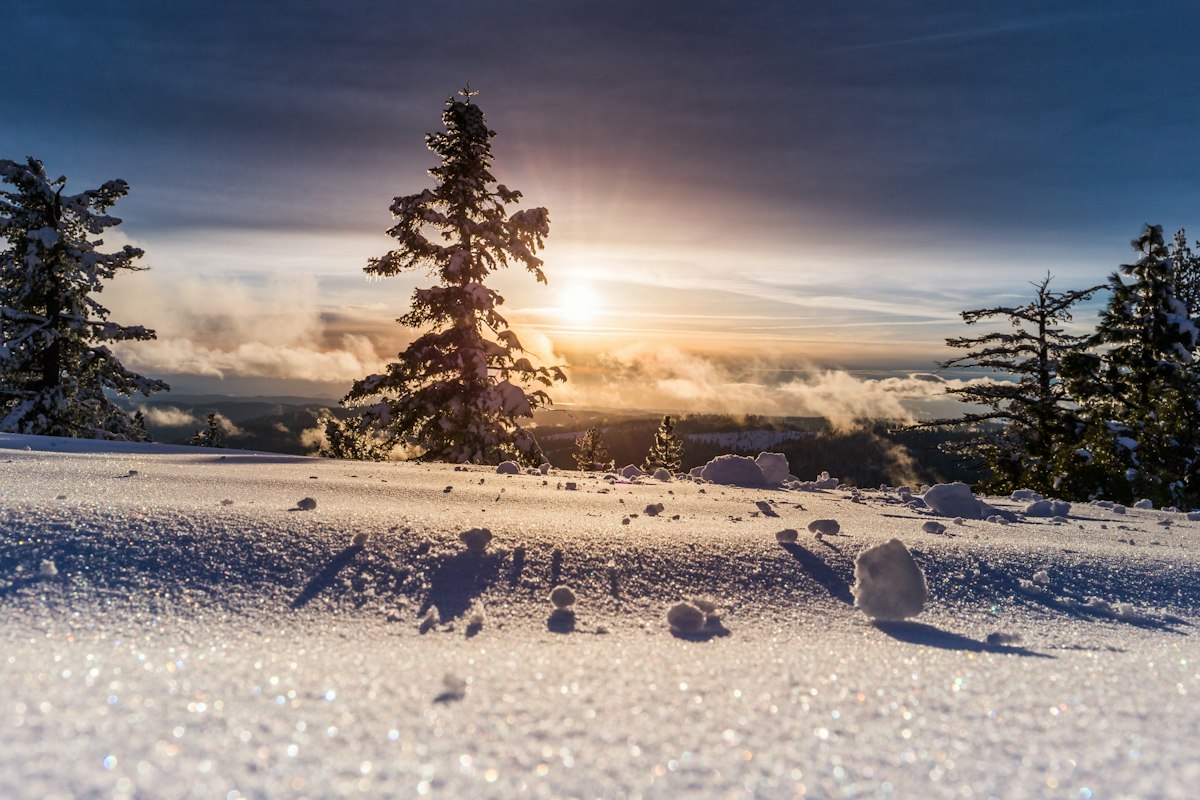
Master winter camping in Rhode Island with this comprehensive guide to gear, techniques, and locations for cold weather outdoor adventures.